What are the Advantages of Resistor Symbol Products?
I. Introduction
In the realm of electronics, resistors play a pivotal role in circuit design and functionality. They are fundamental components that limit current flow, divide voltages, and protect sensitive components from excessive current. As such, understanding resistor symbol products is essential for anyone involved in electronic design, whether they are students, hobbyists, or professional engineers. This article aims to explore the advantages of resistor symbol products, shedding light on their significance in simplifying circuit design, enhancing visualization, improving efficiency, and more.
II. Understanding Resistor Symbol Products
A. Explanation of Resistor Symbols
Resistor symbols are graphical representations used in circuit diagrams to denote resistors. These symbols are standardized to ensure clarity and consistency across various industries. The most common symbol for a resistor is a zigzag line, but variations exist depending on the type of resistor and the context in which it is used. For instance, variable resistors, such as potentiometers, have distinct symbols that indicate their adjustable nature.
B. Types of Resistor Symbol Products
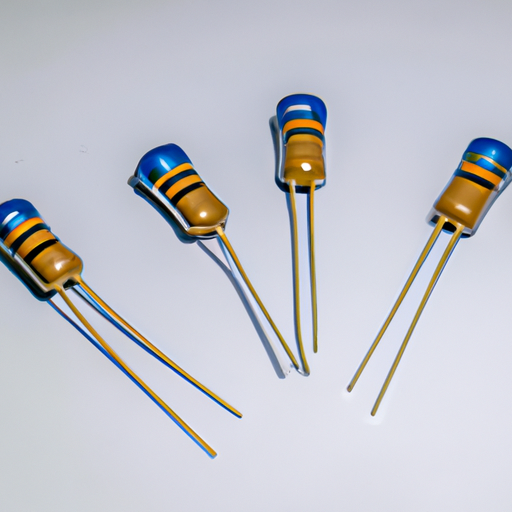
1. **Physical Resistors**: These are tangible components that can be found in electronic devices. They come in various forms, including fixed, variable, and specialized resistors like thermistors and photoresistors.
2. **Virtual Resistors in Software**: In modern design environments, virtual resistors are used in simulation software. These allow engineers to model and analyze circuit behavior without the need for physical components.
3. **Resistor Networks and Arrays**: These products consist of multiple resistors packaged together, often used to save space and simplify circuit design. They can be represented in circuit diagrams as a single symbol, making them easier to integrate into designs.
III. Advantages of Resistor Symbol Products
A. Simplification of Circuit Design
One of the primary advantages of resistor symbol products is their ability to simplify circuit design. By using standardized symbols, engineers can communicate complex ideas clearly and effectively. This clarity is crucial in collaborative environments where multiple stakeholders are involved in the design process. Standardization also ensures that everyone, regardless of their background or experience level, can understand the circuit diagrams.
B. Enhanced Visualization
Resistor symbols enhance the visualization of circuit functionality. When viewing a circuit diagram, the use of symbols allows for quick interpretation of how resistors interact with other components. This visual representation is invaluable during troubleshooting and debugging, as it enables engineers to identify potential issues more rapidly. The ability to see the relationships between components at a glance can significantly reduce the time spent diagnosing problems.
C. Improved Efficiency in Design Processes
The integration of resistor symbol products into design processes leads to improved efficiency. With the advent of software tools that allow for rapid prototyping, engineers can quickly create and test circuit designs. These tools often come equipped with libraries of resistor symbols, making it easy to drag and drop components into a design. Additionally, integration with Computer-Aided Design (CAD) software streamlines the workflow, allowing for seamless transitions between design, simulation, and production.
D. Cost-Effectiveness
Using resistor symbol products can also be cost-effective. By reducing material waste through accurate simulations and designs, engineers can minimize the number of physical prototypes needed. This not only saves money on materials but also reduces production costs. Furthermore, the ability to test designs virtually means that potential issues can be identified and resolved before any physical components are manufactured, leading to significant savings in the overall development process.
E. Versatility and Flexibility
Resistor symbol products offer versatility and flexibility in various applications. They can be adapted to meet the specific needs of different projects, whether in consumer electronics, automotive systems, or industrial applications. Additionally, customization options allow engineers to create unique resistor configurations that cater to specific requirements, enhancing the overall functionality of the circuit.
IV. Practical Applications of Resistor Symbol Products
A. Use in Educational Settings
In educational settings, resistor symbol products are invaluable for teaching circuit theory. Students can learn about the role of resistors in circuits through hands-on experiences with simulation software that utilizes resistor symbols. This interactive approach fosters a deeper understanding of electronic principles and prepares students for real-world applications.
B. Professional Engineering and Design
In the professional realm, resistor symbol products are essential for product development in electronics. Engineers rely on these symbols to create accurate and efficient designs that meet industry standards. Additionally, resistor symbols play a crucial role in research and development applications, where innovative circuit designs are tested and refined.
C. DIY and Hobbyist Projects
For DIY enthusiasts and hobbyists, resistor symbol products provide accessibility to electronic design. With the availability of user-friendly software and online resources, non-professionals can experiment with circuit designs using resistor symbols. This democratization of technology encourages community sharing of designs and ideas, fostering a collaborative environment for learning and innovation.
V. Challenges and Considerations
A. Misinterpretation of Symbols
Despite their advantages, resistor symbols can sometimes lead to misinterpretation. Variability in standards across different regions and industries can create confusion. It is essential for designers to be aware of the context in which symbols are used and to ensure that all stakeholders are on the same page regarding their meanings.
B. Limitations of Virtual Resistor Products
While virtual resistor products offer numerous benefits, they also come with limitations. The accuracy of simulations depends on the software used, and any discrepancies can lead to flawed designs. Additionally, there may be a learning curve for new users unfamiliar with the software, which can hinder productivity in the initial stages of design.
VI. Future Trends in Resistor Symbol Products
A. Advancements in Technology
The future of resistor symbol products is promising, with advancements in technology paving the way for enhanced capabilities. The integration of artificial intelligence (AI) and machine learning into design software can lead to smarter simulations and more efficient design processes. These technologies can analyze circuit behavior in real-time, providing engineers with valuable insights that can inform their designs.
B. Evolving Standards and Practices
As technology continues to evolve, so too will the standards and practices surrounding resistor symbol products. Industry collaboration will be crucial in establishing new guidelines that reflect the changing landscape of electronic design. Emerging technologies, such as flexible electronics and IoT devices, will also impact resistor design, leading to new symbol representations and applications.
VII. Conclusion
In conclusion, resistor symbol products offer a multitude of advantages that significantly enhance the electronic design process. From simplifying circuit design and improving visualization to increasing efficiency and cost-effectiveness, these products play a vital role in advancing the field of electronics. As technology continues to evolve, the importance of resistor symbols will only grow, making it essential for engineers, students, and hobbyists alike to embrace and explore these tools. By doing so, they can contribute to the ongoing innovation and development of electronic systems that shape our world.
VIII. References
- Academic Journals and Articles on Electronics Design
- Industry Standards and Guidelines for Circuit Design
- Books and Educational Resources on Electronics Theory and Practice
By understanding and leveraging the advantages of resistor symbol products, individuals and organizations can enhance their electronic design capabilities, leading to more effective and innovative solutions in the ever-evolving landscape of technology.


