Development Trends in the Power Resistor Industry
I. Introduction
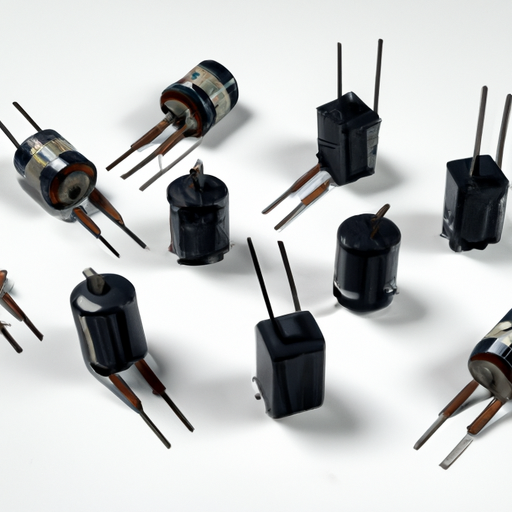
Power resistors are essential components in electrical and electronic applications, designed to manage and dissipate electrical energy in the form of heat. They play a critical role in various industries, including industrial automation, automotive, renewable energy, and consumer electronics. As the demand for efficient and reliable electrical systems continues to grow, the power resistor industry is evolving rapidly. This blog post explores the development trends shaping the power resistor industry, highlighting historical context, current market dynamics, technological advancements, sustainability considerations, and future outlooks.
II. Historical Context
The evolution of power resistors can be traced back to the early days of electrical engineering. Initially, resistors were simple wire-wound devices, but as technology advanced, so did the materials and manufacturing processes. Key milestones in the development of power resistors include the introduction of ceramic and metal film resistors, which offered improved performance and reliability. Traditional applications, such as power supplies and motor control systems, laid the groundwork for the industry's growth, leading to the diverse range of applications we see today.
III. Current Market Landscape
A. Overview of the Global Power Resistor Market
The global power resistor market has experienced significant growth in recent years, driven by the increasing demand for efficient power management solutions. According to market research, the market size is projected to reach several billion dollars by the end of the decade, with a compound annual growth rate (CAGR) of around 5-7%. Key players in the industry include established manufacturers such as Vishay, Ohmite, and TE Connectivity, as well as emerging companies that focus on innovative solutions.
B. Major Applications of Power Resistors
Power resistors are utilized in various sectors, each with unique requirements:
1. **Industrial Automation**: In industrial settings, power resistors are crucial for controlling motors and managing energy in automation systems.
2. **Automotive Sector**: The automotive industry relies on power resistors for applications such as electric vehicle (EV) power management, regenerative braking systems, and battery management systems.
3. **Renewable Energy Systems**: As the world shifts towards renewable energy, power resistors are essential in solar inverters and wind turbine systems, helping to manage energy flow and ensure system stability.
4. **Consumer Electronics**: In consumer electronics, power resistors are used in power supplies, audio equipment, and other devices that require precise energy management.
IV. Technological Advancements
A. Innovations in Materials
The power resistor industry is witnessing significant innovations in materials. Advanced alloys and composites are being developed to enhance performance and reliability. For instance, the use of metal oxide and ceramic materials has improved the thermal stability and power handling capabilities of resistors.
B. Miniaturization and Integration
As electronic devices become smaller and more complex, there is a growing trend towards miniaturization and integration. Manufacturers are designing power resistors that are not only smaller but also more efficient. This trend includes the integration of power resistors with other components, such as power modules, to create compact and efficient solutions.
C. Enhanced Thermal Management Solutions
Effective thermal management is critical for the performance of power resistors. Recent advancements in heat dissipation techniques, such as the use of heat sinks and advanced cooling technologies, have improved the thermal performance of resistors. These innovations help to extend the lifespan of components and enhance overall system reliability.
V. Sustainability and Environmental Considerations
A. Shift Towards Eco-Friendly Materials
Sustainability is becoming a key focus in the power resistor industry. Manufacturers are increasingly adopting eco-friendly materials and processes to reduce their environmental impact. This shift is driven by consumer demand for greener products and regulatory pressures to comply with environmental standards.
B. Energy Efficiency and Its Impact on Design
Energy efficiency is a critical consideration in the design of power resistors. As industries strive to reduce energy consumption, power resistors are being designed to minimize energy loss and improve overall system efficiency. This trend is particularly relevant in applications such as renewable energy systems, where maximizing energy output is essential.
C. Regulatory Standards and Compliance
Regulatory standards related to environmental impact and energy efficiency are shaping the power resistor industry. Compliance with these standards is essential for manufacturers to remain competitive and meet consumer expectations. As regulations evolve, companies must adapt their designs and manufacturing processes accordingly.
VI. Market Trends and Consumer Demands
A. Increasing Demand for High-Power Resistors
The demand for high-power resistors is on the rise, driven by the growth of electric vehicles, renewable energy systems, and industrial automation. These applications require resistors that can handle higher power levels while maintaining reliability and performance.
B. Customization and Tailored Solutions
As industries become more specialized, there is a growing demand for customized power resistor solutions. Manufacturers are increasingly offering tailored products to meet specific application requirements, allowing for greater flexibility and performance optimization.
C. Growth of Smart Technologies and IoT Integration
The rise of smart technologies and the Internet of Things (IoT) is influencing the power resistor industry. As devices become more interconnected, the need for efficient power management solutions is more critical than ever. Power resistors are being integrated into smart devices to enhance performance and energy efficiency.
VII. Challenges Facing the Power Resistor Industry
A. Supply Chain Disruptions
The power resistor industry, like many others, has faced supply chain disruptions due to global events such as the COVID-19 pandemic. These disruptions have affected the availability of raw materials and components, leading to delays and increased costs.
B. Competition from Alternative Technologies
The rise of alternative technologies, such as digital power management solutions, poses a challenge to the traditional power resistor market. Manufacturers must innovate and adapt to remain competitive in a rapidly changing landscape.
C. Cost Pressures and Economic Factors
Economic factors, including inflation and fluctuating raw material prices, are impacting the power resistor industry. Manufacturers must find ways to manage costs while maintaining product quality and performance.
VIII. Future Outlook
A. Predictions for Market Growth and Development
The power resistor market is expected to continue its growth trajectory, driven by advancements in technology and increasing demand across various sectors. As industries evolve, the need for efficient power management solutions will remain a key driver of market development.
B. Emerging Technologies and Their Potential Impact
Emerging technologies, such as advanced materials and smart manufacturing processes, have the potential to revolutionize the power resistor industry. These innovations could lead to the development of more efficient, reliable, and sustainable products.
C. Strategic Recommendations for Industry Stakeholders
To thrive in the evolving power resistor market, industry stakeholders should focus on innovation, sustainability, and customer-centric solutions. Investing in research and development, adopting eco-friendly practices, and understanding market trends will be crucial for long-term success.
IX. Conclusion
In summary, the power resistor industry is undergoing significant transformation, driven by technological advancements, market demands, and sustainability considerations. As the industry adapts to these changes, the importance of innovation and flexibility cannot be overstated. The future of power resistors looks promising, with opportunities for growth and development in various sectors. By embracing these trends and challenges, manufacturers can position themselves for success in an increasingly competitive landscape.
X. References
- Academic Journals
- Industry Reports
- Market Research Studies
- Relevant Websites and Articles
This blog post provides a comprehensive overview of the development trends in the power resistor industry, highlighting the importance of adaptation and innovation in shaping the future of this critical sector.


